
Does your age make a difference in living alone?
Solo at thirty vs. solo at seventy

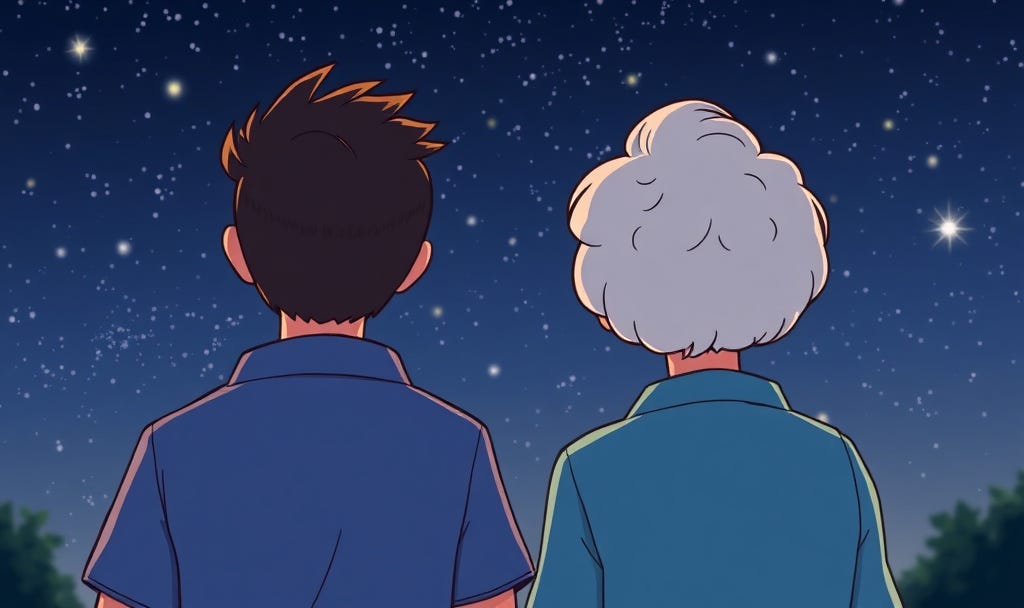
Is the solo life a different experience depending on how old you are? I believe it is. Last week, I wrote about my own experiences being alone in my twenties and in my seventies, but I know my experiences are not universal, so let’s look at the bigger picture.
A recent survey by the Pew Research Center found that people under 60 spend about four hours a day alone on average while people over 60 spend more than half their waking hours alone. The report said 14 percent of older Americans report spending ALL their time alone, compared with eight percent of young people.
I’m wary of broad generalizations. Statistics don’t show the exceptions. Young people who are unemployed or working remotely from home may be alone a lot more than four hours a day, and many older Americans who keep busy working or volunteering are not alone half their waking hours.
I would move the older age up to at least 65, a more common retirement age, but things are definitely different depending on how old you are.
Let’s look at some of the factors:
Younger people are more likely to be working outside the home, which forces them to associate with other people. They may also be in school, possibly attending classes online, but still requiring some human contact. On the other hand, they are less likely to volunteer because they don’t have time.
Those of us in our mid-60s or older may be retired or not reporting to a job outside the home anymore. If we do not have family around and don’t get out for church, social activities, or medical appointments, we may not see anyone. Last week, my main contact was two sessions with my new physical therapist, Airika, plus choir practice and a quick pass through the checkout line at the grocery store.
The young are more likely to have active social lives, play sports, and hang out with other people. Yes, there are exceptions to all of this, but if you’re over 65, when was the last time you went out dancing? How do you feel about driving at night?
Most younger people still have parents and other older relatives around as a safety net if they get hurt, seriously ill, or run out of money. At my age, one’s elders are either gone or beyond being able to help. We scramble to find someone to drive us to the clinic or the ER and wonder who will pick us up if we collapse when we’re alone.
The older we get, the more we worry about our physical well-being. We’re more likely to suffer from physical ailments and limitations and are terrified of falling. We’re also worried about dementia, strokes, heart attacks, and cancer. Yes, these can happen at any age, but they’re more likely for those of us with graying hair and wrinkles.
Young and old struggle with money, but older people may not be able to find a job or have the stamina to work a full-time job anymore. What they have now is what they’re going to have, whether they have a house, savings and a pension or rent and depend on Social Security. The young have more opportunities to earn money and build their wealth. They still have a chance to find better-paying jobs, build their savings, and invest in things that may pay off later. Of course, they may also be paying off student loans, feel like they can never afford to buy a home, and struggle to get ahead. But they have time to change the situation.
Young people dealing with new relationships or older relationships that seem to be failing may wonder whether they will ever have a traditional family. Will they be alone forever? These worries can happen at any age, but I meet a lot more seniors who are done with relationships.
Younger people may be more connected to the Internet and social media, but not necessarily. Those of us over 40 didn’t grow up with computers, tablets, and cell phones, but we are not as disconnected or clueless as ageist folks assume. Can we soothe our loneliness with Instagram and find help via ChatGPT? Sometimes. Is it the same as being with other people? No. That is a lesson that the Internet generations may not have learned yet.
Age also brings loss. Tragic things happen even to children, but as we age, the list of loved ones who have died becomes longer than the list of those who are still around. We can make new friends and try to get close to the family we still have, but each loss adds another layer of grief that makes us feel even more alone. These days, I know why old people weep.
All that said, the number of people alone at any age is increasing. Loneliness is loneliness, no matter how old you are. We hear more about older people living alone, but lots of young people are also alone, due to marrying later if at all, divorce, not having children, living far from family, and working from home.
Old age, knowing that you have fewer years ahead than behind you, is scary, but it also offers relief in some areas. We can let go of things that are finished or no longer relevant. I have buried my job-hunting files and abandoned the types of work I don’t enjoy. I know that I have accomplished a lot. If I don’t do anymore, I have done enough.
At 73, I can release the worries of my younger years because that time in my life has passed—and that’s okay. I am grateful to not be young and striving. The life I have lived has given me skills to thrive now in my solo years. Would I want to be 30 and alone again? No way.
Let’s Talk
I have spouted off enough here. What do you think? How is being alone when you are young different from when you are old? How is it different for young people to be alone in 2026 compared to previous generations? Would you rather be 30 and alone or 75 and alone? Why? What advice would you give to someone who is alone at a different stage of life than yours, either younger or older?
Good read
Julia Hubbel published a fantastic piece on her “Too Old for This Sh*t” Substack over the weekend offering advice for anyone facing outpatient surgery without someone to help them at home. I can’t recommend it enough, especially the list of things we can do before the surgery to make it easier to care for ourselves.
How did I end up alone? My first marriage ended in divorce. My second husband died of Alzheimer’s after we had moved to the Oregon coast, far from family. I never had any kids, only dogs and cats. Now I live by myself in a big house in the woods. You can read our story in my memoir, No Way Out of This: Loving a Partner with Alzheimer’s, available at your favorite bookseller. Visit https://www.suelick.com for information on all of my books.
I am 80, my husband is 86. We are alone together most days, don't go out a whole lot. If we get cabin fever, we go out for lunch and save half for dinner. That is our big treat! Tomorrow I have surgery and I'm glad he can drive me and be with me in the following days. Him being older, I know I am blessed to still have time with him and I don't take that for granted. This is just another chapter in our lives together and we are going to enjoy it. Last night I couldn't sleep, nerves (thinking about surgery), and he read out loud to me from "Gales of November" about the sinking of the Edmund Fitzgerald in 1975. That is our idea of romance these days and it's all good. He is so precious and he has the best little smile!
I think that if given the choice of living alone at 30 vs 75, 30 is the better age. People who go from their family home to a marriage, and never live alone until their senior years, must be at a disadvantage as to what it’s like to feel truly alone and responsible for every aspect of their days and nights. I had a friend, divorcing her first husband and planning to marry #2, who had never lived alone. Mind you she had 3 kids in the house and no real money worries. I encouraged a waiting period but she wasn’t having it. I still believe we learn so much about ourselves if we are solo for a period of time when we are younger. I was and I fully understand I may be again one day. Having mostly solo hobbies helps. But I may have gotten some skills being an only child until I was 12!